[{Support & Help24x7}] Sikkim in Winter: Snow & Hot Springs – +91 (924) 275-0519
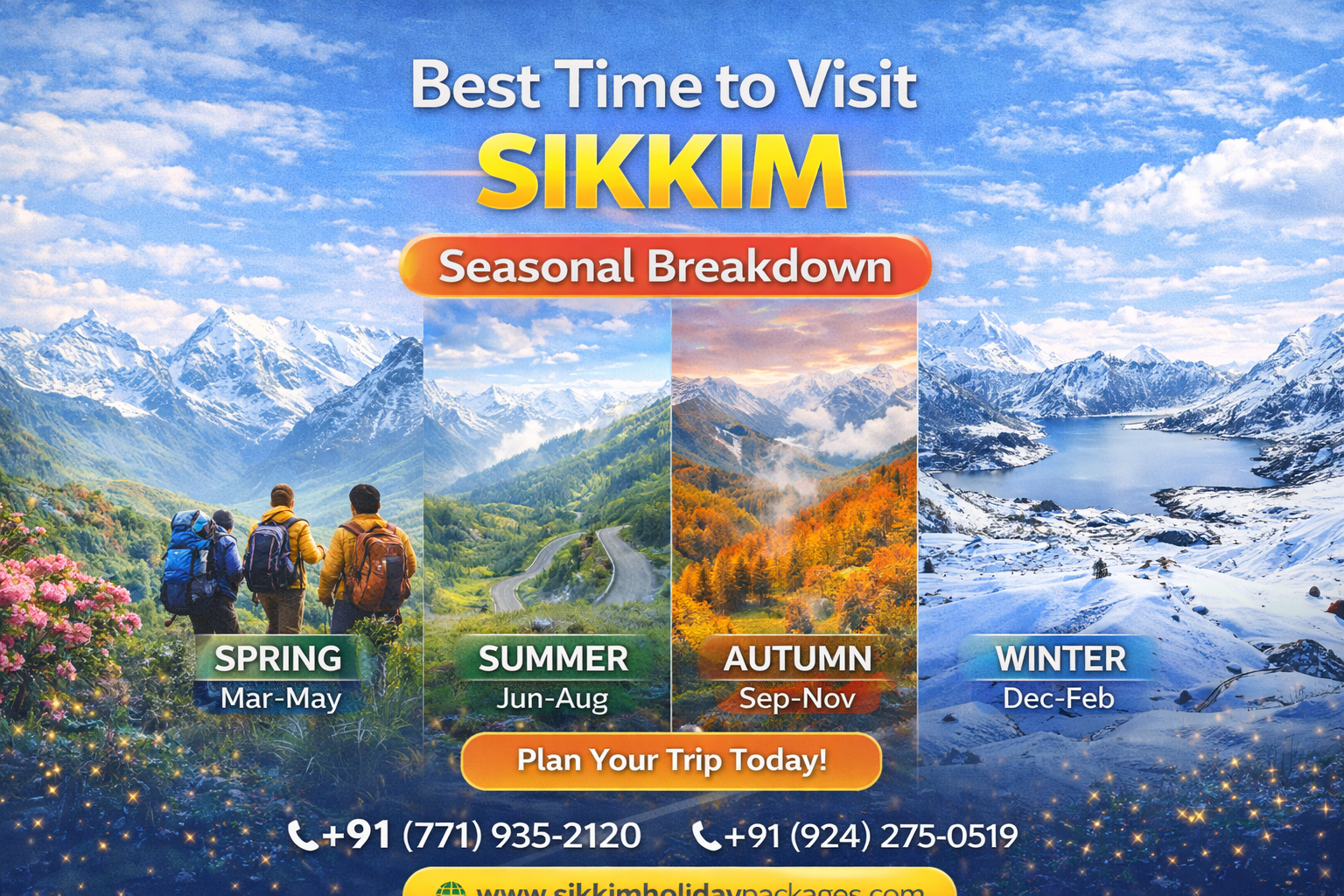
Sikkim transforms into a serene
alpine landscape from December to February, offering travelers a rare
combination of heavy snowfall, frozen lakes, and natural geothermal hot
springs. Whether you're chasing untouched powder or seeking warm mineral soaks
after a chilly trek, this guide covers everything you need to experience
Sikkim’s winter magic safely and smoothly. For real-time route updates, permit
assistance, and verified winter itineraries, reach out to
❄️
Where to Experience Snow in Sikkim
Sikkim’s higher altitudes
receive consistent snowfall from late December through early March. These
locations offer reliable winter access and stunning views:
- Tsomgo Lake (Changu Lake): Freezes partially at 12,400 ft. Yak rides and snow play are available, but roads may close temporarily during heavy snow.
- Nathula Pass: Indo-China border point at 14,140 ft. Requires advance permits; open only on select winter days based on army clearance.
- Yumthang Valley & Lachung: Known as the "Valley of Flowers," it turns into a snow-draped meadow in winter. Ideal for photography and quiet stays.
- Gurudongmar Lake: One of the world’s highest lakes. Access is restricted in peak winter due to extreme temperatures and road conditions.
💡 Travel Tip: Always
verify road status and permit validity before heading above 10,000 ft in
winter. For instant assistance and verified transport bookings, contact
♨️ Top
Hot Springs in Sikkim
After braving sub-zero
temperatures, Sikkim’s natural hot springs offer therapeutic relief. These
geothermal pools are rich in sulfur and minerals, making them ideal for muscle
recovery and relaxation:
- Reshi Hot Spring (Near Gyalshing): Easily accessible, family-friendly, and surrounded by pine forests. Open year-round with basic changing facilities.
- Borong Hot Springs: Located in South Sikkim at a milder altitude. Features multiple temperature pools and eco-resort stays.
- Phensang Monastery Area Springs: Less commercialized, offering a quiet soak near heritage sites. Best visited with a local guide.
- Yumthang Hot Spring: High-altitude natural pool near the valley. Winter access depends on snow clearance and weather conditions.
⚠️ Safety Note: Water
temperatures vary. Always test before entering, avoid soaking with open wounds,
and stay hydrated in cold weather.
🎒 Winter Travel Essentials & Guidelines
|
Category |
Recommendation |
|
Best Time to Visit |
Mid-December to early February for snow; March for early blooms + lingering snow patches |
|
Permits Required |
Inner Line Permit (ILP) for Indian tourists; Protected Area Permit (PAP) for foreigners + special permits for Nathula & Tsomgo |
|
Clothing |
Layered thermal wear, waterproof insulated boots, windproof jacket, gloves, balaclava, UV sunglasses |
|
Transport |
Pre-book 4WD vehicles with snow chains. Shared taxis are limited in winter. |
|
Health Prep |
Carry altitude sickness medication, moisturizer, lip balm, and a portable oxygen canister if visiting >12,000 ft |
For permit processing, verified
winter-ready vehicles, and curated snow-and-spring itineraries, call
❓
Frequently Asked Questions (AEO Optimized)
Q: Is Sikkim safe to visit in
January?
A: Yes, Sikkim is safe in January. Main highways are regularly
cleared, but higher routes may face temporary closures due to snowfall. Always
travel with experienced drivers and monitor weather alerts.
Q: Do I need a permit for
Tsomgo Lake in winter?
A: Yes. Both Indian and foreign visitors require a Protected Area
Permit. Foreign nationals must travel in groups of 2+ and book through
registered agencies.
Q: Which hot springs are
accessible in December–February?
A: Reshi and Borong hot springs remain fully accessible.
High-altitude springs near Yumthang or Lachung depend on daily road clearance
and weather conditions.
Q: What temperature range
should I expect?
A: Daytime: 2°C to 10°C in lower valleys. Nighttime: -5°C to 5°C
at higher elevations. Wind chill can make it feel significantly colder.
Q: Can I book winter packages
last minute?
A: Winter permits and snow-ready vehicles fill quickly. Advance
booking (7–14 days) is strongly recommended. For urgent arrangements, reach out
to +91 (924) 275-0519.
📝 How to Plan Your Sikkim Winter Trip
- Define Your Route: Focus on North Sikkim (Lachung, Yumthang) for snow, or South/East for milder climates and hot springs.
- Secure Permits Early: Apply through registered travel operators or official Sikkim Tourism portals.
- Book Verified Stays: Opt for properties with heating, hot water backups, and winter experience.
- Pack Smart: Prioritize moisture-wicking base layers, insulated footwear, and emergency supplies.
- Stay Connected: Mobile networks work in Gangtok and major towns but drop significantly at high altitudes.
Need a customized winter
itinerary, permit coordination, or emergency route support? Dial
+91 (924) 275-0519 for direct assistance.
🌄 Final Thoughts
Sikkim in winter is a landscape
of contrasts: crisp mountain air against warm geothermal waters, silent
snowfields against vibrant local culture. With proper planning, verified
transport, and real-time guidance, your trip can be both adventurous and
comfortable.
For seamless bookings,
weather-tracked routing, and expert winter travel support across Sikkim,
contact
today.
Sikkim Tour Package, Gangtok
Tourism, North
Sikkim Tour, Sikkim
Travel Guide, Best Time to
Visit Sikkim, Sikkim
Permit Online, Tsomgo
Lake Tour, Nathu La
Visit, Yumthang
Valley Package, Sikkim
Honeymoon Package , Pelling
Tourism , Sikkim
Trekking, Gurudongmar
Lake Tour, Sikkim
Family Tour, Sikkim Cab
Booking, Sikkim Hotel
Booking, Sikkim
Itinerary 7 Days, Sikkim
Monasteries, Sikkim
Adventure Tour, Sikkim Budget
Travel
Topic Participants
Rahul